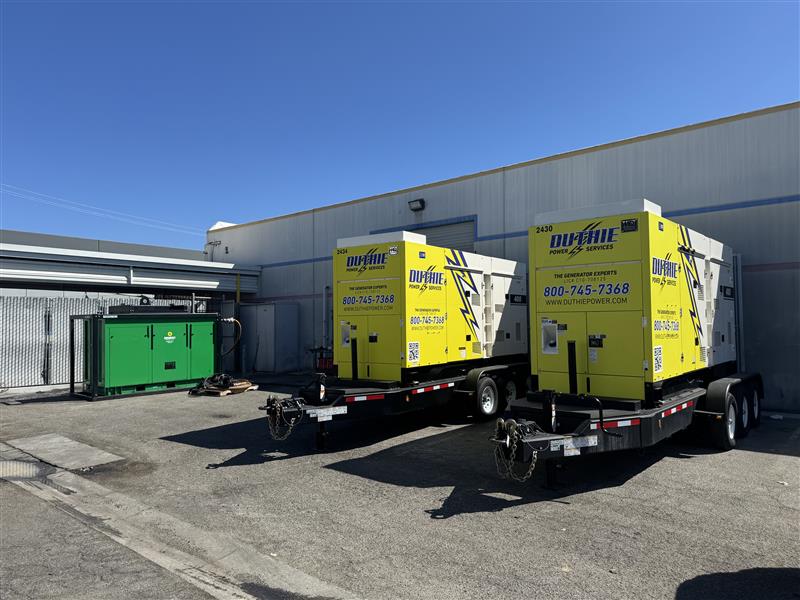
The Brief Reply: Paralleling turbines is the method of connecting two or extra turbines in order that they function collectively as a single energy supply. The mixed items share {the electrical} load whereas offering built-in redundancy if one generator fails.
Fairly than putting in one giant generator to fulfill peak demand, many services select to run a number of smaller items in parallel. This strategy permits operators to scale energy output up or down based mostly on precise load necessities, hold turbines working at environment friendly ranges, and keep steady energy even when one unit is offline for upkeep or restore.
This information explains how generator paralleling works, the advantages it supplies, the necessary upkeep steps, and when a parallel system is sensible to your facility.
How Generator Paralleling Works
Connecting a number of turbines isn’t so simple as plugging them into the identical system. Every unit produces its personal electrical output, and if these outputs don’t align, the turbines is not going to work collectively correctly and may result in extra points. This may trigger tools injury, energy surges, or full system failure.
For turbines to function in parallel safely, their electrical output should be matched by way of a course of referred to as synchronization. Correct synchronization ensures that each one related items contribute to the load easily and effectively.
The Fundamentals of Synchronization
Synchronization is the method of aligning {the electrical} output of a number of turbines earlier than connecting them to a standard bus. For paralleling to work, the turbines should be aligned on these three elements:
- Voltage: Every generator should produce the identical voltage degree.
- Frequency: All items should function on the similar cycles per second (60 Hz in america).
- Part angle: {The electrical} waveforms should rise and fall collectively, with no timing distinction between them.
Trendy parallel programs use automated synchronizers and digital controls to watch these parameters and make real-time changes. A synchroscope or sync-check relay helps confirm that situations are right earlier than permitting an incoming generator to attach with the system. This prevents out-of-sync connections that would injury tools or journey protecting units.
Load Sharing Between Turbines
As soon as turbines are synchronized and related, the system should distribute {the electrical} load amongst them. Load sharing ensures that no single generator carries greater than its share of the demand, which prevents overloading and retains all items working effectively.
Paralleling switchgear and digital controllers handle this course of robotically. The switchgear homes the circuit breakers and protecting units that join every generator to the system, whereas the controllers monitor output and alter every unit’s engine pace and voltage regulation to maintain the load balanced. As demand will increase or decreases, the system responds by shifting output between items or bringing extra turbines on-line.
In a well-designed parallel system, every generator operates at or close to its optimum load degree. This improves gas effectivity, reduces put on on engines and parts, and extends the general lifespan of all of the tools.
Advantages of Paralleling Turbines
Parallel generator programs provide a number of benefits over counting on a single giant unit.
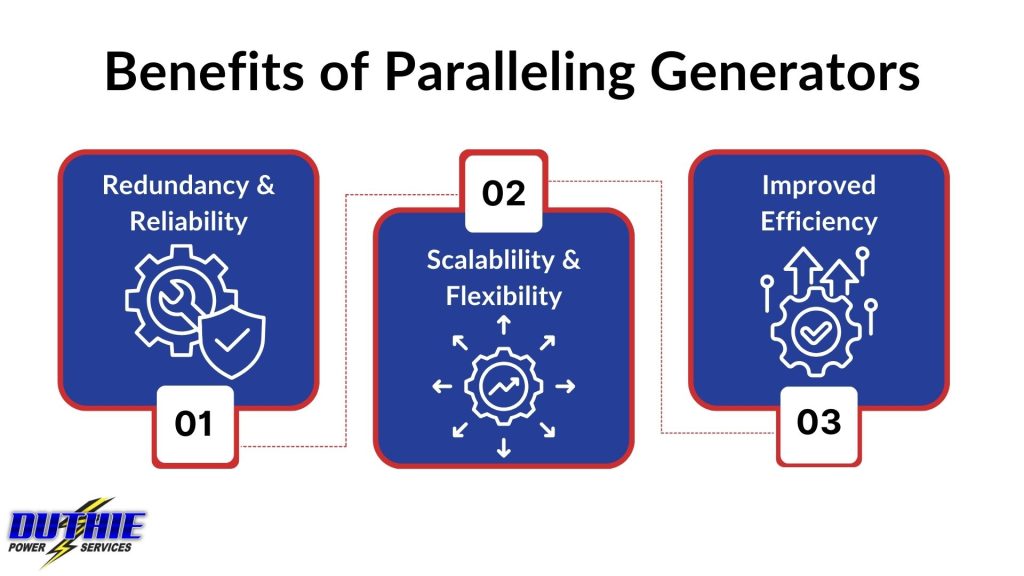
Redundancy and Reliability
Essentially the most important advantage of paralleling is built-in redundancy. If one generator in a parallel system fails or must be taken offline, the remaining items proceed to produce energy. This retains vital programs working whereas the problem is addressed.
For a facility counting on a single generator, any failure means a whole lack of backup energy till repairs are made. With paralleled turbines, the system can redistribute the load among the many remaining items robotically, offering uninterrupted energy to important operations even throughout single generator failures. This degree of reliability is why hospitals, knowledge facilities, and industrial vegetation select parallel configurations for his or her standby energy programs.
Scalability and Flexibility
Parallel programs make it simpler to match energy output to present demand. As a substitute of working one outsized generator at partial capability, operators can convey particular person items on-line or offline as load necessities change all through the day.
This flexibility additionally simplifies future enlargement. If a facility’s energy wants develop, extra turbines might be added to the prevailing parallel system with out the big prices of changing the whole system. The modular strategy permits for incremental funding relatively than a big upfront price for a much bigger single unit.
Improved Effectivity
Turbines function most effectively when working at 70% to 80% of their rated capability. A single giant generator serving a variable load typically runs nicely under this vary, losing gas and rising put on on engine parts. Diesel turbines specifically can expertise wet stacking when working at low hundreds for prolonged durations.
In a parallel system, controllers can alter which turbines are on-line based mostly on present demand. Throughout low-load durations, some items can shut down whereas others carry the load at optimum ranges. This reduces gas consumption, lowers working prices, and minimizes the upkeep points related to underloading.
When to Take into account a Parallel Generator System
Whereas paralleling gives nice safety to your backup vitality, its not at all times one of the best match to your facility. The choice will depend on your energy necessities, how vital uptime is to your operations, and the sources out there for set up and upkeep.
Purposes That Profit Most
Sure services acquire probably the most from parallel generator configurations:
- Hospitals and healthcare services: Affected person care will depend on uninterrupted energy for life-safety programs, medical tools, and local weather management. Redundancy is non-negotiable.
- Knowledge facilities: Even temporary energy interruptions can corrupt knowledge, disrupt providers, and injury delicate tools. Parallel programs present the reliability these operations require.
- Industrial and manufacturing vegetation: Manufacturing downtime interprets on to misplaced income. Parallel turbines hold operations working throughout outages and permit for deliberate upkeep with out shutting down.
- Massive industrial buildings: Excessive-rise workplaces, lodges, and residence complexes with important electrical hundreds profit from the scalability and adaptability of parallel programs.
When a Single Generator Might Nonetheless Make Sense
Not each facility wants the complexity of a parallel system. A single generator could be the better option if:
- Your load necessities are constant and predictable
- Redundancy is much less vital to your operations
- House or price range constraints restrict your choices
- Your facility has decrease general energy calls for
For smaller buildings or purposes the place temporary outages are acceptable, one correctly sized generator that’s maintained frequently can typically do the job at a decrease price.
Components to Consider
If you happen to’re contemplating a parallel system, work with an skilled supplier to evaluate:
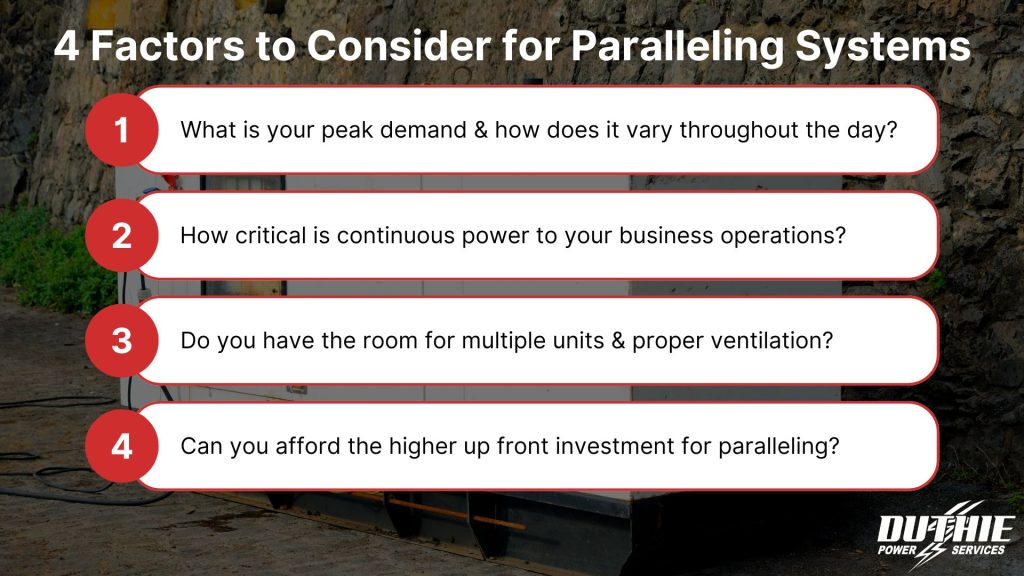
- Whole load necessities: What’s your peak demand, and the way does it fluctuate all through the day? A load analysis might help decide the proper configuration.
- Redundancy wants: How vital is steady energy to your operations?
- Out there area: Parallel programs require room for a number of items, switchgear, and correct air flow.
- Price range: Whereas paralleling gives long-term effectivity features, the upfront funding is increased than a single unit.
We advocate speaking to a educated gross sales technician to search out out if paralleling your system works to your web site and state of affairs.
Upkeep Issues for Parallel Programs
A parallel generator system is simply as dependable as its upkeep program. As a result of a number of items should work collectively seamlessly, common testing and repair are much more necessary and demanding than with a standalone generator.
Synchronization and Load Testing
Every generator in a parallel system must be examined each individually and as a part of the general system. Common synchronization checks additionally affirm that each one items can connect with the frequent bus with out points, whereas load bank testing verifies that turbines can deal with their rated capability and share load correctly when working collectively.
Amenities ought to schedule month-to-month or quarterly exams to catch potential issues earlier than they have an effect on efficiency throughout an precise outage. These exams additionally assist forestall moist stacking by working turbines at ample load ranges, which extends the generator’s lifespan.
Sustaining Particular person Models
Each generator within the system requires its personal preventive maintenance schedule. This contains oil and filter adjustments, coolant checks, battery inspections, and gas system service. Neglecting only one unit can compromise the whole system’s reliability.
One benefit of a parallel setup is that particular person turbines might be taken offline for upkeep with out compromising your backup energy completely. The remaining items will proceed to function whereas service is carried out, permitting for deliberate upkeep with minimal disruption.
Correct documentation can also be necessary. Conserving data of every generator’s service historical past, take a look at outcomes, and any points helps establish patterns and plan for future upkeep wants.
Working With Certified Technicians
Parallel programs contain extra complexity than single-generator setups. Switchgear, controllers, protecting relays, and synchronization tools all require specialised information to service and troubleshoot. Work with our team of technicians who’ve expertise with paralleling and perceive how the parts work together.
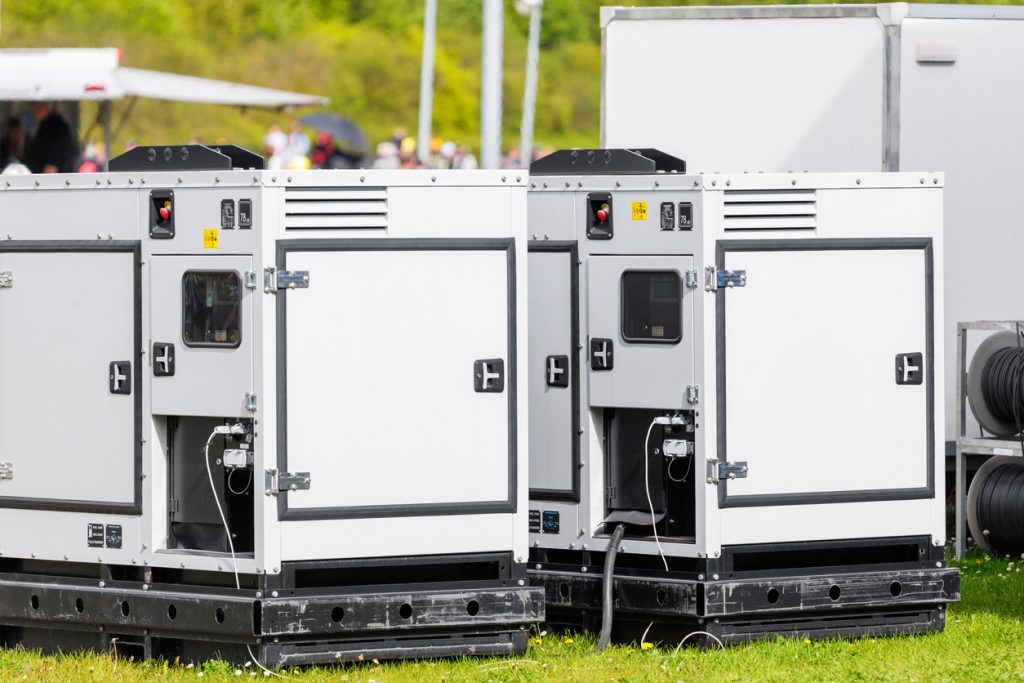
Is a Parallel Generator System Proper for You?
Paralleling turbines offers services a strategy to enhance energy capability, construct in redundancy, and enhance operational effectivity. By working a number of synchronized items as a substitute of counting on a single generator, you acquire flexibility to scale with demand and keep steady backup energy even when one unit is offline.
Whether or not paralleling is sensible to your facility will depend on your load necessities, uptime wants, and long-term plans. For vital operations the place energy interruptions aren’t an possibility, a parallel system gives the reliability and peace of thoughts {that a} single generator can’t.
Duthie Energy focuses on generator paralleling, set up, and upkeep for industrial services all through Southern California. To debate whether or not a parallel system matches your wants, go to our generator service page.
Trending Merchandise